
MPV Holiday
Al Jabbar Mosque
West Java’s floating grand mosque in east Bandung — modern architecture on a lake, twin minarets, and a free cultural stop most travellers remember.
Why travellers stop here
Al Jabbar Grand Mosque at a glance
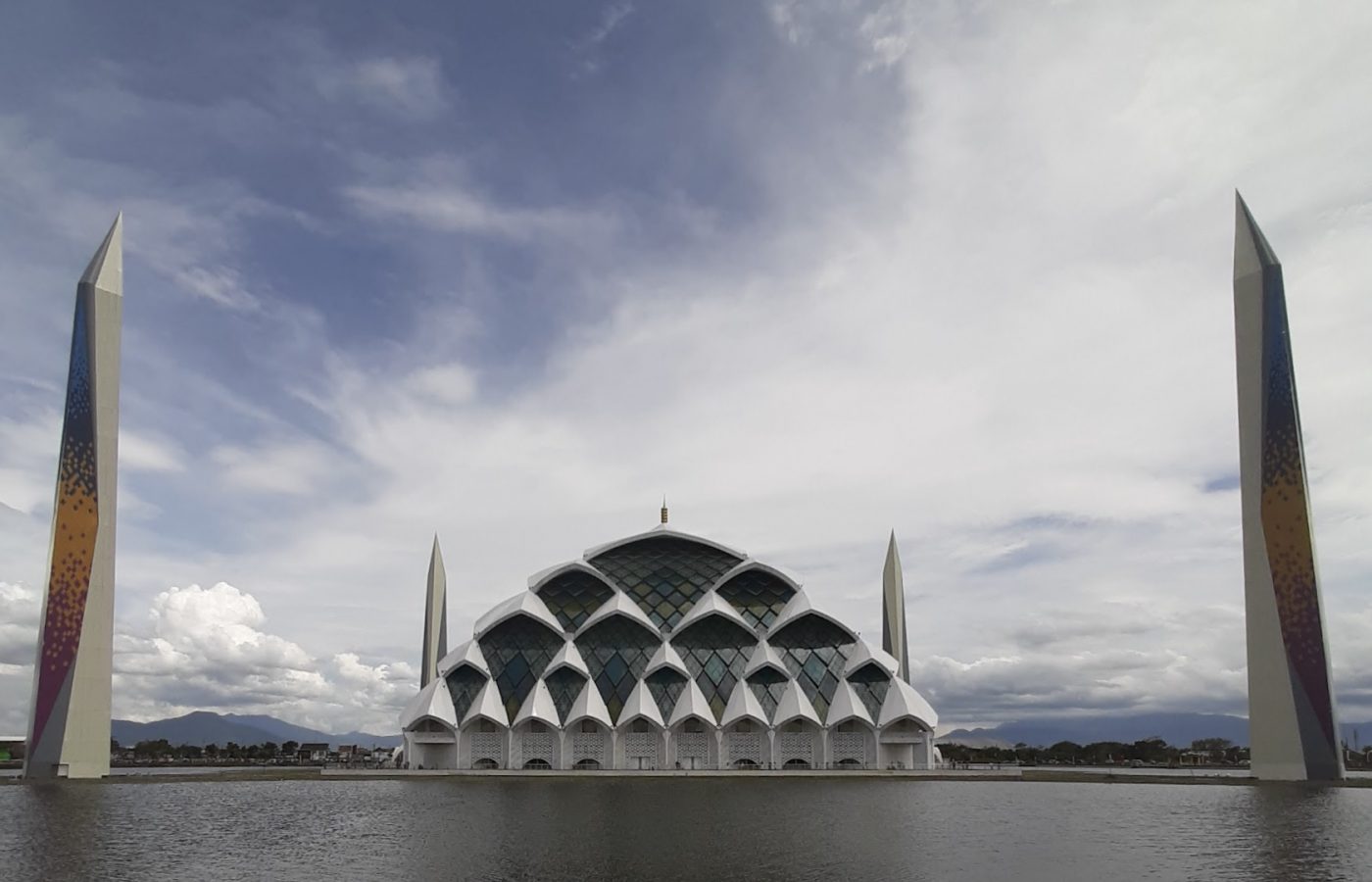
Al Jabbar Mosque is West Java’s provincial grand mosque in Gedebage, east Bandung — a modern place of worship that has also become one of the city’s most photographed landmarks. What makes it special is the “floating” look: the white shell-shaped building sits on a wide lake, with twin needle minarets and open plazas that feel grand even on a quiet weekday.
Locals also call it the Floating Mosque of Gedebage. Designed by Ridwan Kamil, it was inaugurated on 30 December 2022 and opened to the public on 1 January 2023. Muslims come to pray; many international travellers come for the architecture, the reflections on the water, and a calm cultural pause between shopping or mountain trips.
A typical tourist stop lasts 45–90 minutes. You walk the plaza, cross the entrance bridges, remove your shoes at the sacred boundary, step inside the prayer halls if you wish, then take photos around the lake. No ticket is needed for a regular visit, and you do not need a reservation for small groups. Many travellers visit with an MPV Holiday private car rental or as part of a flexible Bandung tour package.
Your visit flow
What you will actually do on site
Think of Al Jabbar as a short cultural walk, not a ticketed theme park. Here is a realistic flow most travellers follow.
- Arrive & park Your driver drops you near the visitor area. Weekends and late afternoons can be busy — leave a little buffer. The complex is large, so wear comfortable shoes you can remove easily.
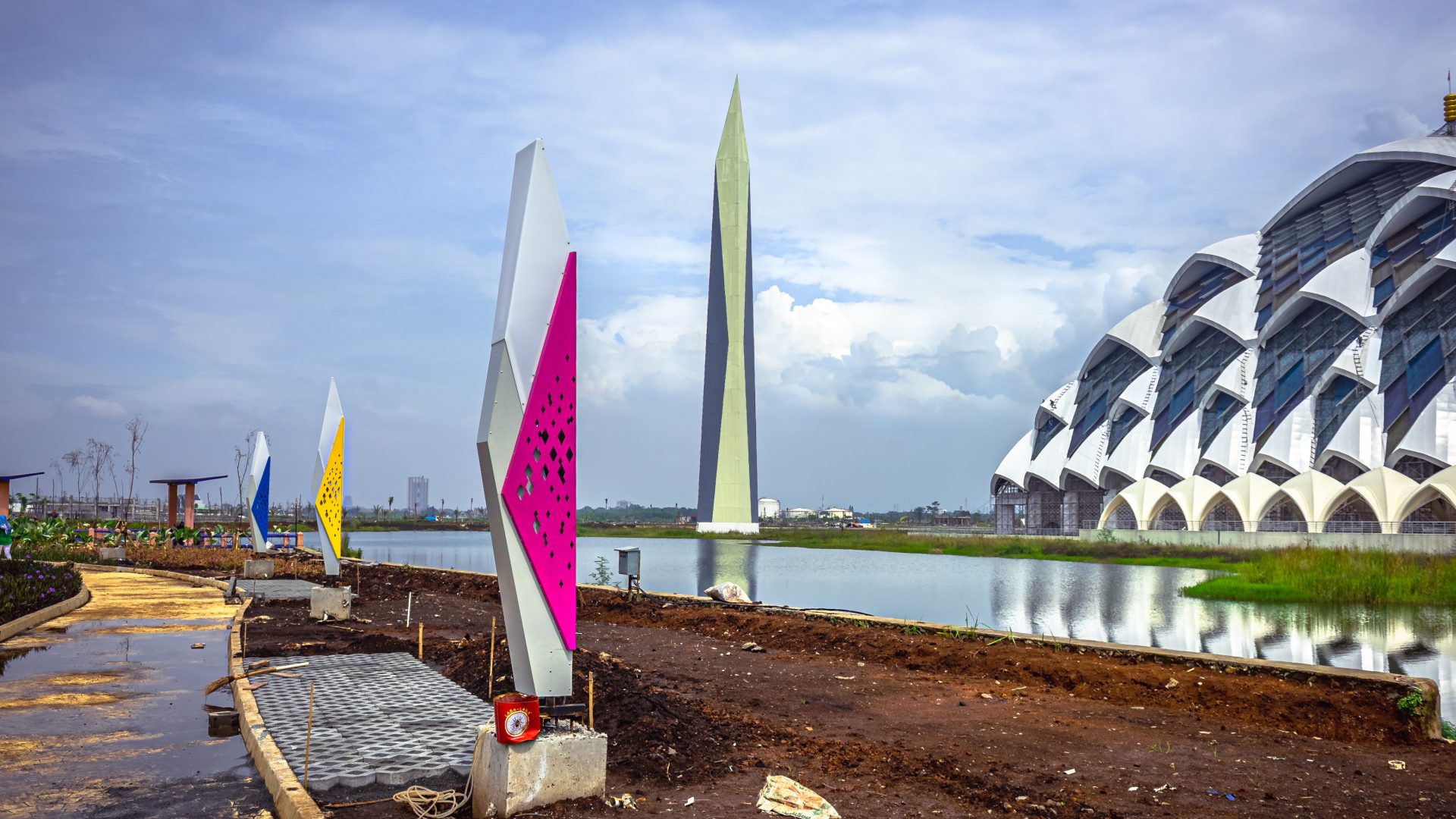
- Walk the plaza & lake edge Before entering the sacred area, explore the open plaza and paths. This is where you get the classic “floating mosque” photos with the lake, mountains, and twin minarets.
- Cross the entrance bridges Two bridges connect the parking and garden side to the mosque (locally called Jembatan Nabi Musa). At the sacred boundary at the end of the bridge, remove your footwear and carry it in a plastic bag or shoe pouch. Shoe storage points are available.
- Enter the prayer halls Step inside quietly. Non-Muslim visitors are generally welcome to look around respectfully outside prayer peak times. Keep voices low, silence phones, and avoid blocking people who are praying.
- Optional extras When open, the Prophet’s Gallery offers an exhibition visit through the city’s Sapawarga app (free online ticket; typically Wednesday–Sunday, morning to mid-afternoon). Cultural events sometimes fill the plaza — check the mosque’s Instagram for the day’s schedule.
What makes it special
Highlights worth noticing
These are the details travellers usually remember — and the ones that photograph best.
- Modern Islamic architecture The design mixes contemporary geometry with inspiration from Turkish and Iranian mosque traditions, plus West Java decorative touches. Look for the layered white shells, diamond-pattern glass, and the slender minarets with colourful pixel-like gradients.
- The floating lake setting A retention lake wraps three sides of the building (the complex covers roughly 25+ hectares including plaza, parking, and green space). The water is for flood control and beauty — swimming is not allowed. Reflections at sunrise or after Maghrib are the most dramatic.
- Scale that feels grand Inside capacity is about 33,000 worshippers; the full complex can hold around 60,000 including the plaza. Even on a quiet weekday, the halls feel wide and airy — which is why families and tour groups like stopping here.
- More than a photo stop Al Jabbar also functions as an Islamic centre: education, community gatherings, exhibitions, and seasonal festivals. If something is happening on the day you visit, you may catch a lecture courtyard or a public event on the open ground.
Ideas for your stop
Things travellers enjoy doing
- Join a prayer — If you are Muslim, daily prayers and Friday congregation here feel spacious and calm. Arrive a little early on Fridays.
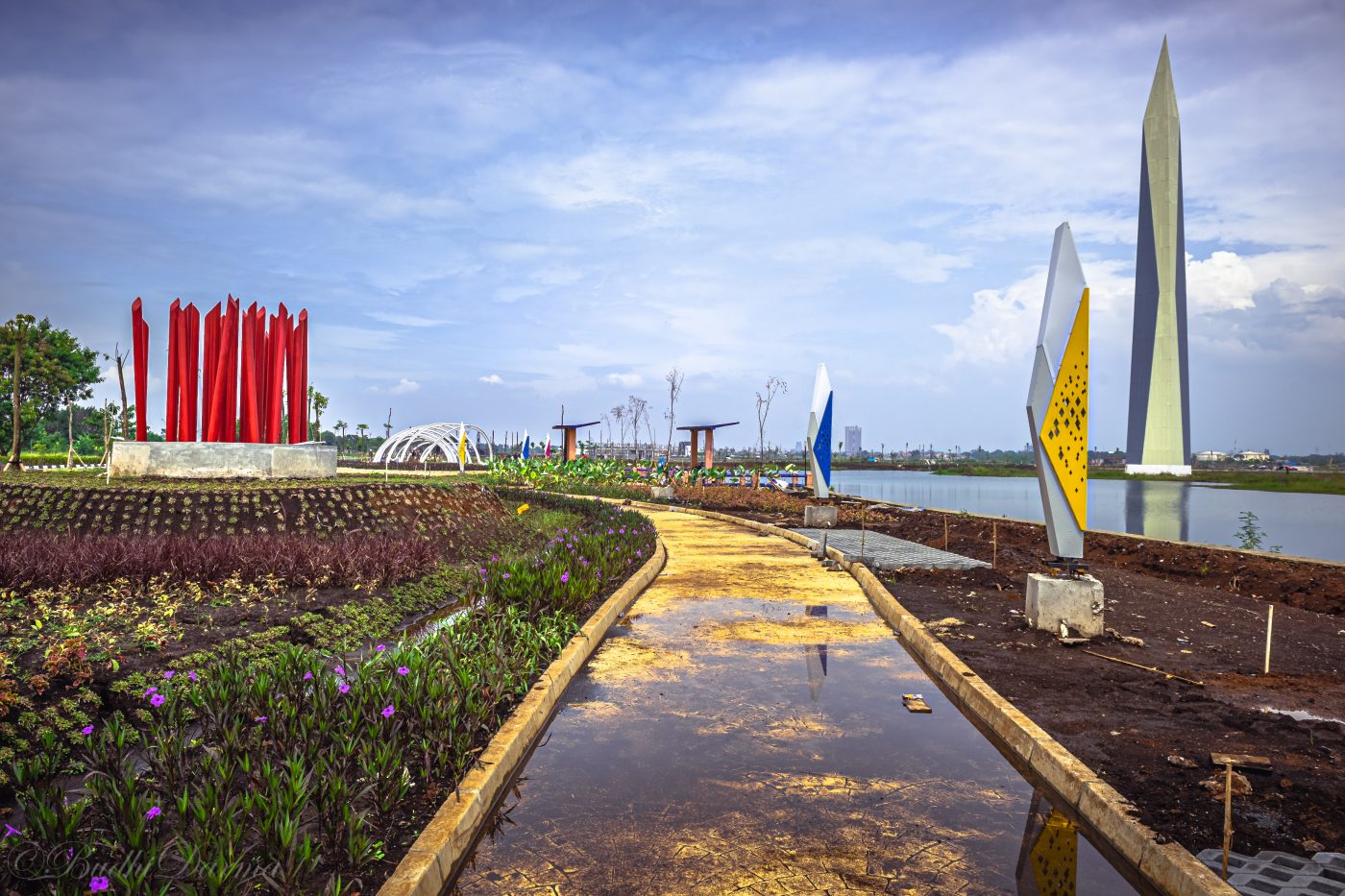
- Architecture walk — Slow down on the bridges and plaza. Walk around the lake edge for different angles of the façade and minarets.
- Photography — Best light: early morning or golden hour before Maghrib. Be respectful — avoid selfie sessions that block worshippers or disturb prayer.
- Quiet sit & people-watch — Sit in the corridor/outer areas (not inside the main prayer floor if you are resting or snacking). It is a good reset between busy Bandung stops.
- Gallery visit — When the Prophet’s Gallery is open, book the free ticket via the Sapawarga app and allow extra time for the exhibition.
Before you go
Practical visit tips for tourists
A few small preparations make the visit smoother — especially if you are not used to mosque etiquette.
Opening hours
The mosque is not open 24 hours. It typically opens around 03:30 and closes around 22:00 West Indonesia Time every day. Always re-check the official mosque Instagram (@masjidrayaaljabbar) if you arrive late at night.
Tickets & cost
Entering the mosque grounds is free. No reservation is needed for normal individual or small-group visits. Bring a little cash only if you want snacks from nearby vendors outside the sacred area.
Dress code
Wear clean, modest clothes that cover shoulders and knees (and for women, hair covering is respectful when entering prayer areas). Avoid tight or revealing outfits. Many visitors keep a light scarf or sarong in their day bag.
Shoes & bags
Bring a plastic bag or shoe pouch. Remove footwear at the sacred boundary near the bridge entrance. Use the shoe storage points and keep valuables with you.
Best time to visit
Weekday mornings are quieter. Sunrise and late afternoon are best for photos. Maghrib lighting on the domes is beautiful, but parking and crowds grow — arrive 30–45 minutes earlier if you want that view.
What not to do
Do not swim in the lake, walk on the grass where restricted, eat/drink inside the main prayer halls, sleep inside, or make loud selfie videos during prayer. Keep phones silent indoors.
For first-time visitors
Etiquette if you are not Muslim
Tourists of all backgrounds visit Al Jabbar. You are welcome when you treat it as an active place of worship first, and a landmark second.
- Dress modestly and follow staff or signage if an area is reserved for worshippers.
- Speak softly; do not interrupt people praying or taking ablution (wudu).
- Ask before photographing people up close; never use flash during prayer.
- Children are welcome — help them stay calm indoors and hold hands on the bridges.
- If you are unsure where to walk, follow the main visitor flow or ask a security officer. They are used to helping travellers.
Where it is
Location & how to get there
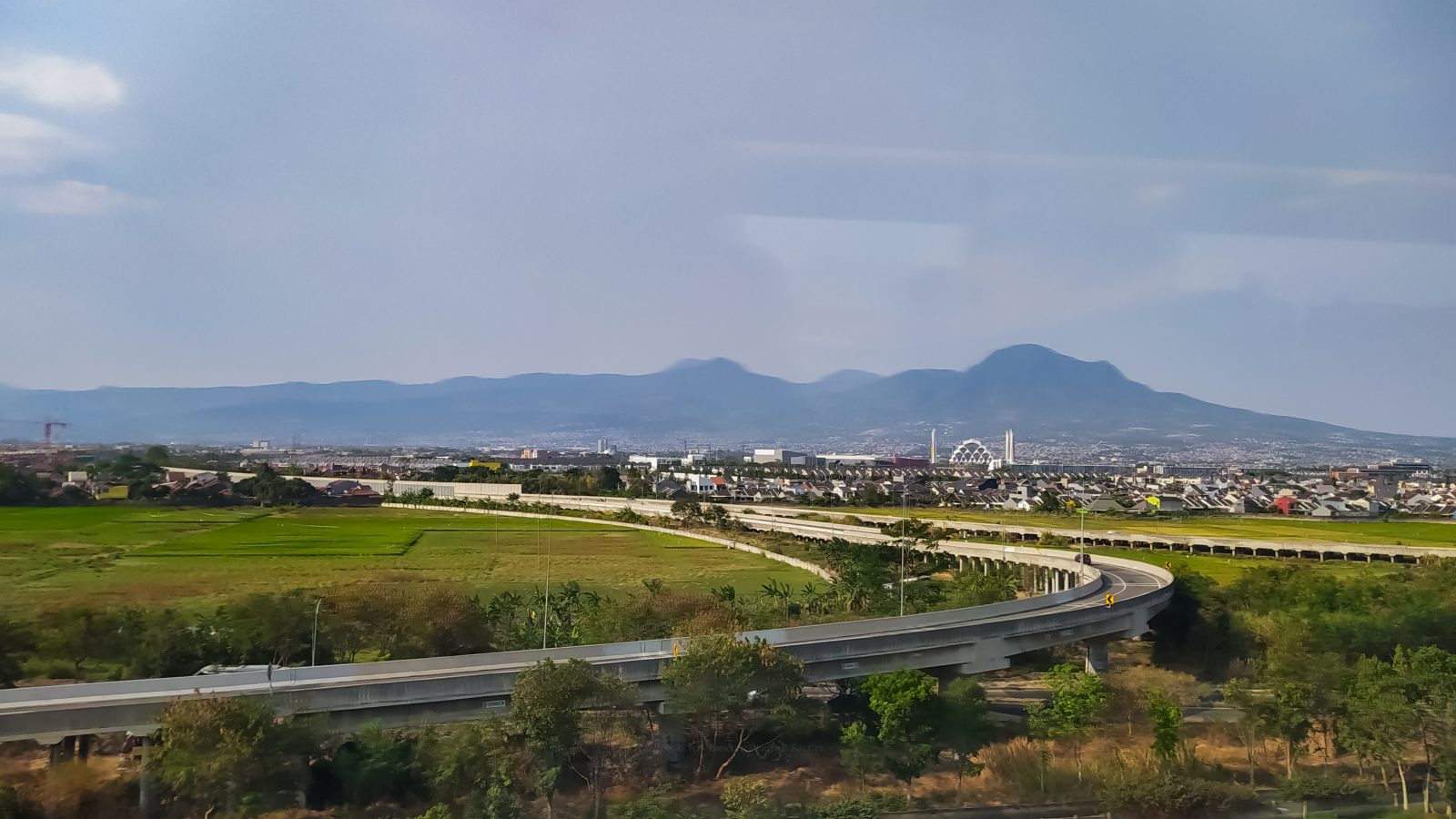
Al Jabbar sits in Gedebage, east Bandung — not in the Braga / city-centre cluster. That is why a private car is the simplest option for most tourists.
Cimincrang Road No.14, Cimincrang, Gedebage, Bandung City, West Java 40295, Indonesia
- From Bandung city centre / Braga: about 30–45 minutes by car (longer in rush hour).
- From Bandung train station (Stasiun Bandung): about 35–50 minutes.
- From Husein Sastranegara Airport: about 40–60 minutes.
- From Lembang / North Bandung: often 60–90 minutes depending on traffic.
Public transport is possible but slower and less comfortable with luggage or kids. With MPV Holiday car rental, your English-speaking driver waits while you visit, then continues to the next stop.
Build a better day
What to combine with Al Jabbar
Because Al Jabbar is in east Bandung, pair it with other city stops rather than forcing a same-morning Lembang volcano trip unless you start very early.
- Braga Street Colonial cafés and evening photos — a nice contrast after the modern mosque.
- Geologi Museum Indoor stop with volcano and earth history exhibits; good if the weather turns rainy.
- Saung Angklung Udjo Book the afternoon cultural show, then visit Al Jabbar before or after depending on showtimes.
- Full package day Ask us to design a city circuit (mosque + museum + angklung + dinner) via a Bandung tour package.
Quick answers
FAQ for tourists
How long should I spend at Al Jabbar?
Plan 45–90 minutes for photos, a plaza walk, and a respectful look inside. Add more time if you visit the gallery or arrive for Maghrib.
Can non-Muslims enter?
Yes, as respectful visitors. Dress modestly, remove shoes at the boundary, keep quiet indoors, and avoid disturbing worshippers.
Is there an entrance fee?
No fee for regular mosque visits. Some special exhibition areas may use a free online ticket (Sapawarga) when open.
Is it suitable for families with children?
Yes. The plaza is open and impressive for kids, but supervise them on bridges and indoors. Help them stay quiet during prayer times.
Should I go with a private driver?
For most international tourists, yes — Gedebage is away from the main hotel belt, parking can fill up, and a waiting driver makes multi-stop days easy. Message us on WhatsApp and we will arrange pickup from your hotel.
Ready to go?
Visit Al Jabbar with a private driver
Tell us your hotel and preferred time. We will suggest a smooth route, wait while you explore, and continue to your next Bandung stop.